The evidence-based fitness community loves to get lost in the weeds debating exact reps in reserve.
One, two, three, to failure?
They’re missing the real point: hitting the PR.
You’re in the gym for one reason.
To get stronger.
That’s the North Star.
Managing your reps in reserve correctly helps you do that.
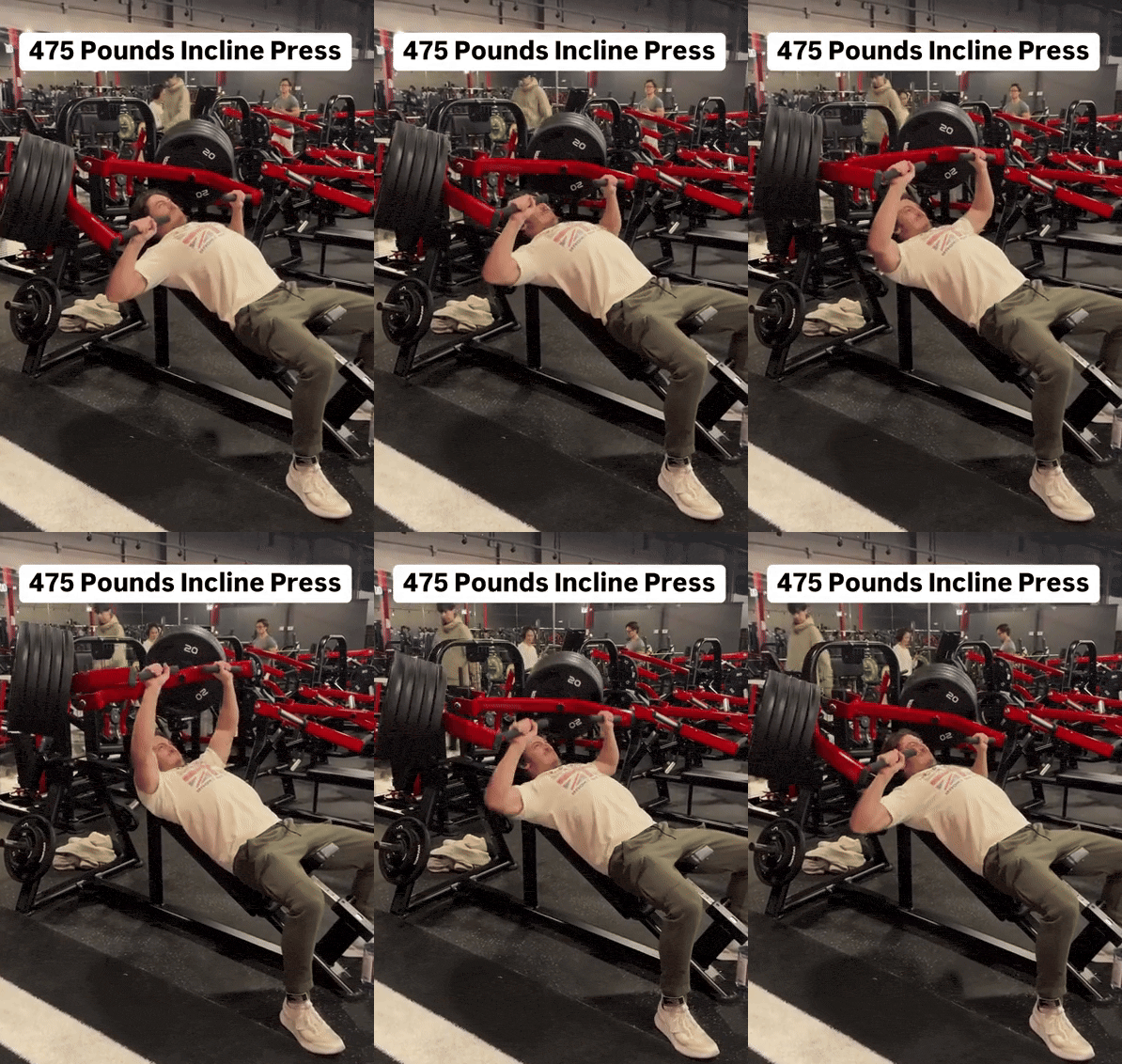
But don’t lose sight of the main goal, which is to hit the PR.
The best way to train long-term is to aim to leave 1-2 reps in the tank.
Three isn’t as effective.
Because if you’re consistently leaving 3 reps in reserve, you’re not getting enough effective reps to really stimulate growth and strength.
When you start a new exercise, your first week should be around 1-2 reps in reserve.
Don’t take it to failure right away.
That gives you more runway to make steady progress over the next few weeks.
From there, your focus is simple: hit a PR each workout.
If last week you did 7 reps, this week go for 8.
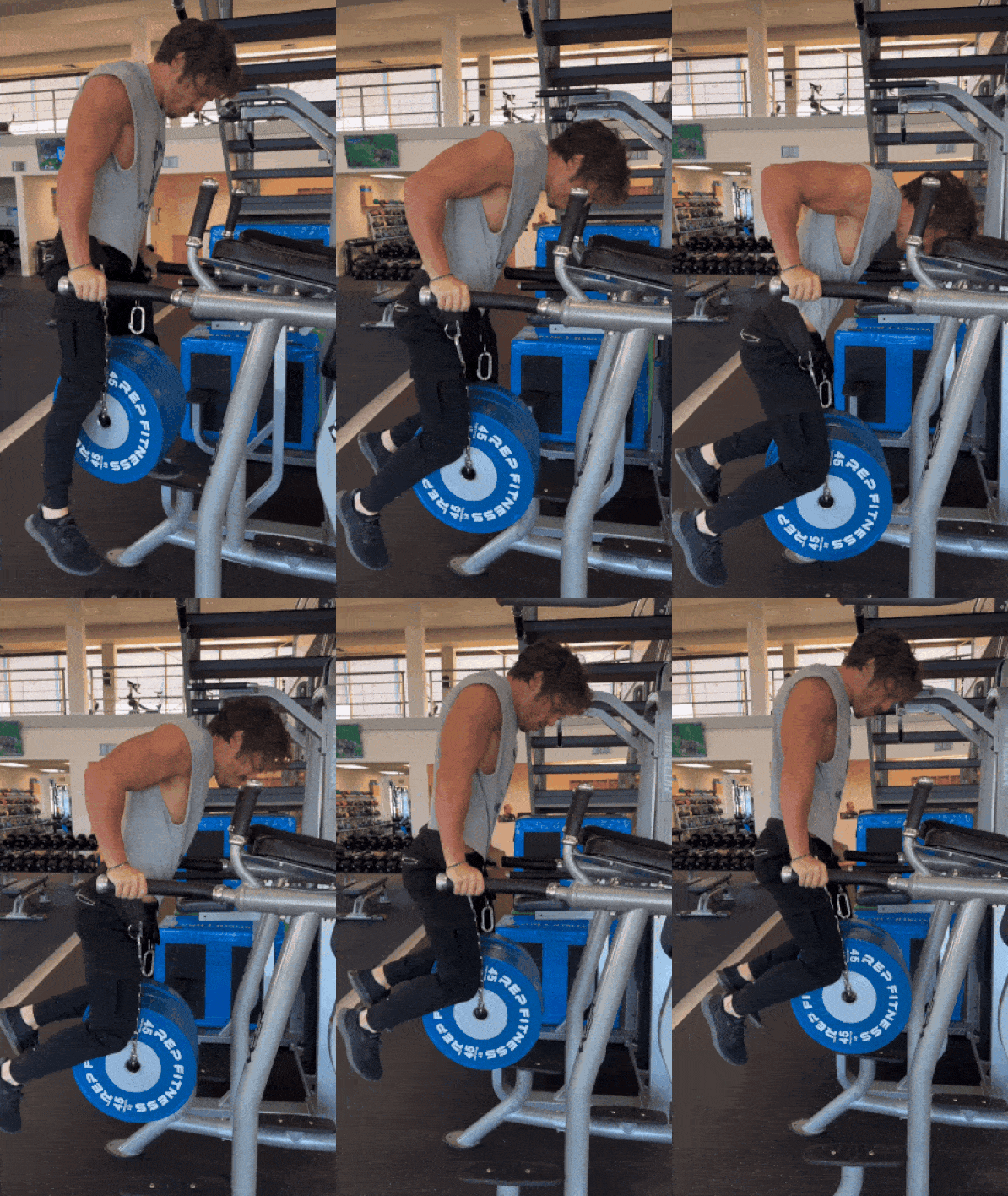
If you increase the weight, you don’t need to force the same reps.
They’ll drop slightly.
If you’re doing 8, you might get 6 or 7 on barbell or machine movements. If it’s a dumbbell lift, you might drop to 5 reps.
That’s fine.
Build those reps back up week by week before increasing the weight again.
Keep it simple. Use the minimum effective dose.
If you can add 1 rep, that’s enough. You don’t need to force 2 or 3.
Give your body room to adapt and keep progressing.
As you keep hitting PRs, your reps in reserve will naturally tighten.
Technically, your reps in reserve will naturally sway between 0-2. This is the sweet spot for growth and consistent personal records
You’ll start at 1 to 2, then some weeks you’ll hit zero.

That’s part of the process.
But keep in mind: it’s hard to hit multiple PRs back-to-back when you’re training right to failure.
One rep in reserve gives you the best long-term gains.
And when you’re pushing hard to get a PR, aim to finish that last rep strong. If your next rep is going to be a brutal grinder (super slow rep speed), it’s best to not go for it.
Those super slow grinder reps create excess fatigue
So a 0 RIR with a strong finish is much superior to a brutal grinder that you barely get.
When you hit 0 RIR and stall, that’s your cue to rotate the exercise. But keep the same movement pattern.
For example, if you’ve been doing incline barbell press, switch to incline dumbbell or incline machine press.
Same pattern, different variation.
On that first session with the new variation, again, leave one to two reps in the tank.
That’s it. That’s the formula:
- Aim to leave one to two reps in reserve.
- Hit a small PR each workout.
- When you stall, keep the same movement and change the exercise variation.
This is exactly how the Kinobody app is built.
The programming automatically rotates exercises within each movement pattern and tracks your PRs so you can focus on what matters.
Training hard, recovering right, and building strength every week.
Talk Soon,
Greg O’Gallagher